


 Fish Aquarium Grooming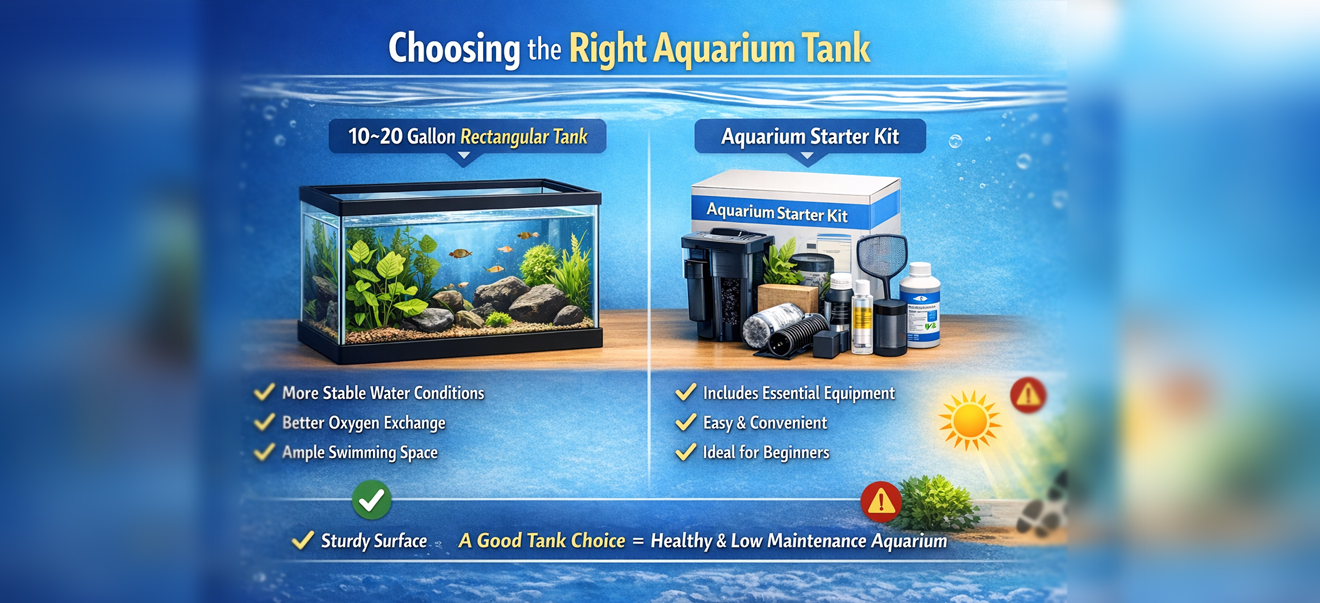
Choosing the Right Aquarium Tank
Choosing the right aquarium tank is the most important decision for beginners. Many people assume smaller tanks are easier to manage, but in reality, larger tanks (10–20 gallons) are more stable and forgiving when it comes to water conditions. A rectangular tank is highly recommended because it provides better surface area for oxygen exchange and allows fish to swim freely. Beginners should also consider purchasing a starter kit that includes essential equipment, which saves time and ensures compatibility between components. Additionally, think about placement - your tank should be on a sturdy surface, away from direct sunlight and heavy foot traffic. A good tank choice lays the foundation for a healthy and low-maintenance aquarium.
Essential Equipment You Need
To maintain a healthy aquarium environment, having the right equipment is crucial. A filter is the heart of your aquarium as it removes waste and keeps the water clean. A heater is essential for maintaining a stable temperature, especially for tropical fish. An air pump helps increase oxygen levels, ensuring your fish can breathe comfortably. Proper lighting not only enhances visibility but also supports plant growth if you plan to include live plants. A thermometer allows you to monitor water temperature consistently. Investing in quality equipment may seem costly initially, but it prevents bigger problems later and ensures your aquarium remains stable, reducing stress for both you and your fish.
Substrate, Plants & Decorations
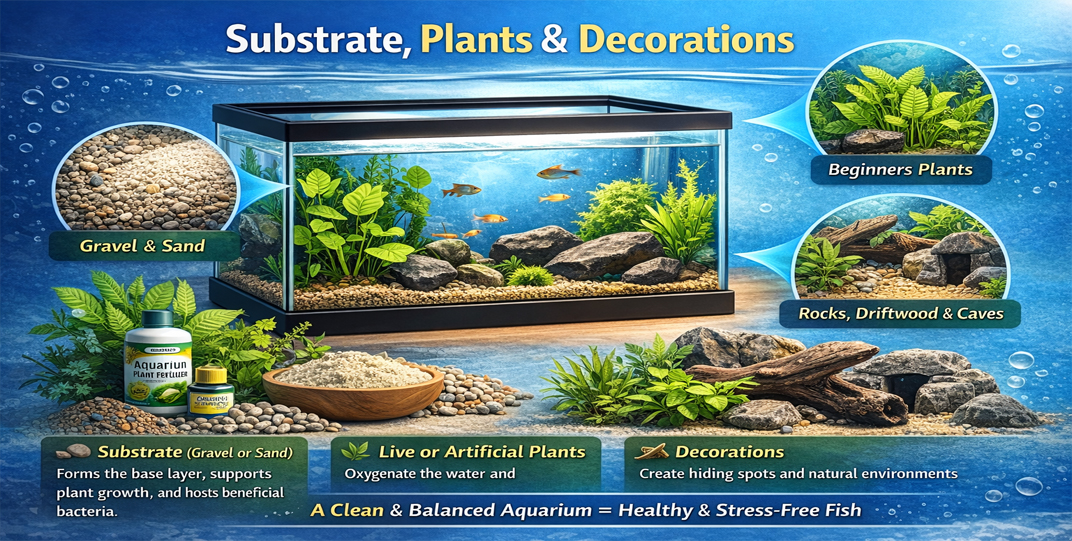
Designing your aquarium is where creativity meets functionality. The substrate, such as gravel or sand, forms the base layer and plays a role in supporting plant growth and beneficial bacteria. Adding plants—especially live ones—helps oxygenate the water and maintain a natural balance. Decorations like rocks, driftwood, and caves provide hiding spots for fish, reducing stress and promoting natural behavior. While it’s tempting to over-decorate, keeping a clean and balanced layout is key. A well-designed aquarium not only looks visually appealing but also creates a safe and comfortable environment for your fish to thrive.
“Ready to Build Your Dream Aquarium? Discover premium aquarium fishes, accessories, and expert guidance—all in one place.”
Get expert guidance
Filling Water & Cycling the Tank
Once your setup is ready, it’s time to add water—but this step requires care. Always use a dechlorinator to remove harmful chemicals like chlorine from tap water. Fill the tank slowly to avoid disturbing the substrate and decorations.
The most critical process is cycling the aquarium, which establishes beneficial bacteria that break down harmful ammonia into safer compounds. This process typically takes 2–4 weeks. Skipping this step can lead to toxic conditions that harm or kill fish. Patience during this phase ensures a stable and healthy environment, making it safe for fish to thrive once introduced.
Choosing Beginner-Friendly Fish
Adaptive reuse is a powerful approach to architecture that combines historical preservation with modern innovation. By embracing this practice, architects can create unique and sustainable spaces that honor the past while looking to the future.
Reuse involves repurposing old buildings for new uses, preserving historical value while meeting modern needs. This post explores the benefits and challenges of adaptive reuse in architecture.
Maintenance & Care Routine
Regular maintenance is key to keeping your aquarium healthy and visually appealing. A weekly water change of 20–30% helps remove toxins and refresh the environment. Cleaning the glass prevents algae buildup, while checking the filter ensures proper functioning.
It’s also important to test water parameters like pH, ammonia, and nitrate levels to maintain balance. Overfeeding fish should be avoided, as excess food can pollute the water. Developing a consistent routine not only keeps your fish healthy but also reduces long-term maintenance effort. A clean tank is a thriving ecosystem.
Common Mistakes to Avoid
Many beginners make simple mistakes that can impact fish health and tank stability. One of the most common errors is adding fish before the tank is fully cycled, leading to toxic water conditions. Overfeeding is another issue, as uneaten food quickly contaminates the water.
Ignoring water quality and skipping regular maintenance can also cause problems over time. Using untreated tap water introduces harmful chemicals, while overcrowding stresses fish and disrupts balance. Avoiding these mistakes ensures a smoother experience and helps you build confidence as an aquarium hobbyist.
Pro Tips for Success
Success in aquarium keeping comes down to consistency and smart practices. Keep your tank away from direct sunlight to prevent excessive algae growth. Feed your fish small portions once or twice daily to maintain water quality.
Research fish compatibility before introducing new species and maintain stable temperature and pH levels. Adding live plants can significantly improve water conditions naturally. Observing your fish daily helps you detect early signs of stress or illness. These simple yet effective tips can transform your aquarium into a beautiful and thriving ecosystem.


Leave a Reply
Your email address will not be published. Required fields are marked