


 Fish Aquarium Grooming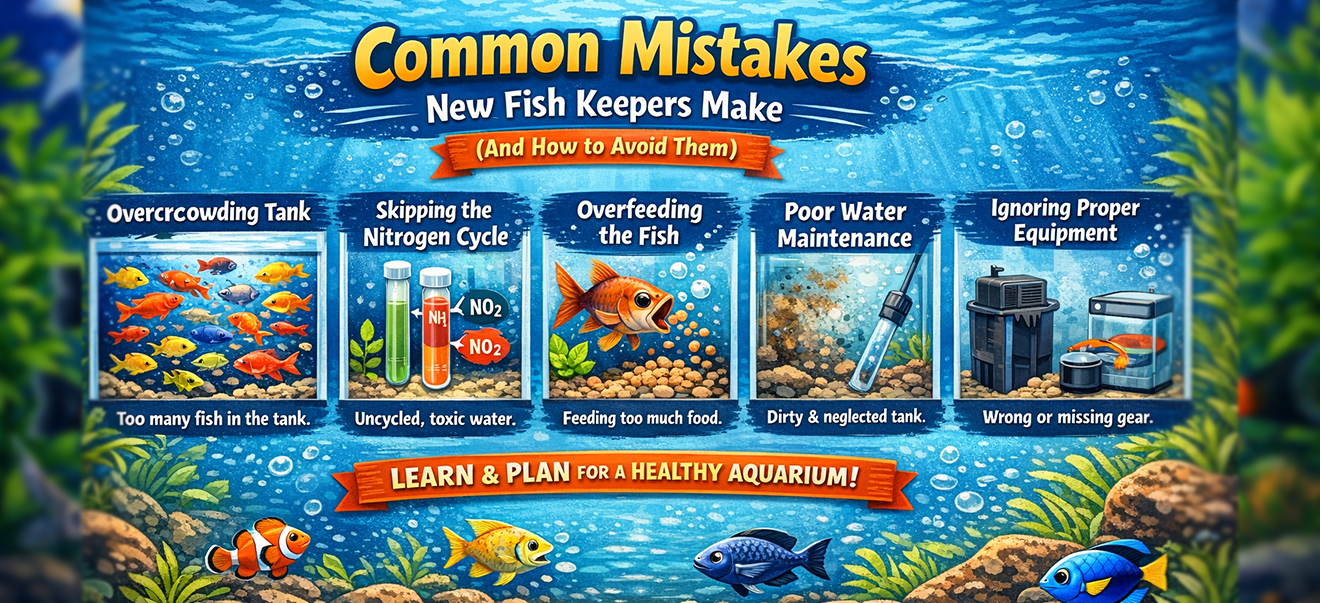
Keeping an aquarium is a rewarding and calming hobby, but beginners often make mistakes that can harm their fish and disrupt the balance of the tank. Understanding these common errors can save time, money, and most importantly, your fish’s health. Let’s explore the most frequent mistakes and how you can avoid them for a thriving aquarium.
1. Overcrowding the Aquarium
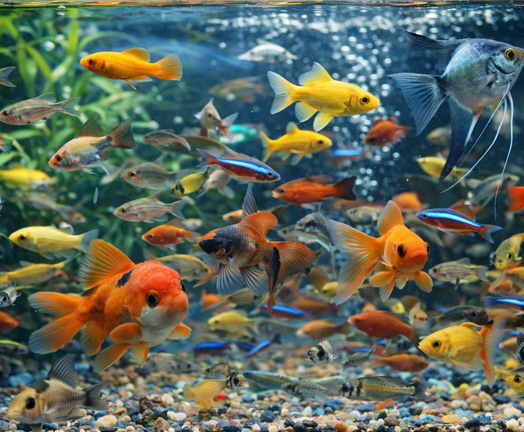
One of the most common mistakes beginners make is adding too many fish into a tank. While it may look visually appealing to have a full tank, overcrowding leads to poor water quality, increased waste, and higher stress levels among fish. This can result in disease outbreaks and even sudden fish deaths.
Fish need space to swim, establish territory, and maintain a healthy environment. Overcrowding also reduces oxygen levels and increases ammonia buildup, which is toxic to aquatic life.
How to avoid it:
Follow the general rule of “1 inch of fish per gallon of water” (with adjustments based on species). Always research the adult size of fish before purchasing, not just their current size. Start with fewer fish and gradually add more while monitoring water conditions. Investing in a properly sized tank and filtration system will ensure your fish live comfortably and healthily.
2. Skipping the Nitrogen Cycle
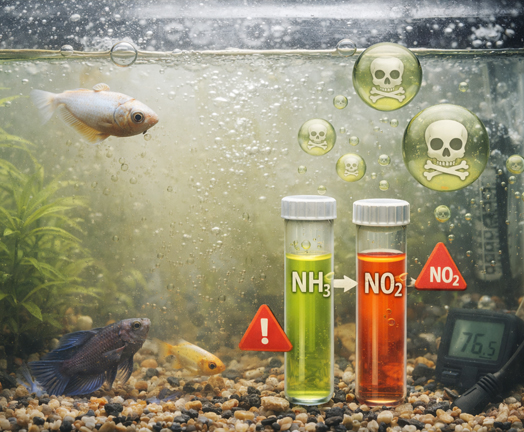
Many new fish keepers set up a tank and immediately add fish without cycling the aquarium. This is a critical mistake because a new tank lacks beneficial bacteria that break down harmful waste like ammonia and nitrites.
Without this natural biological process, toxic substances quickly build up in the water, leading to stress, illness, and often death of fish. This stage, known as “New Tank Syndrome,” is one of the biggest causes of beginner failure in fishkeeping.
How to avoid it:
FAlways cycle your tank before adding fish. This process can take 2–4 weeks and involves establishing beneficial bacteria colonies. You can use fishless cycling methods with ammonia or add bacteria starters to speed up the process. Test your water regularly using a test kit, and only introduce fish when ammonia and nitrite levels are at zero. Patience during this stage is key to long-term success.
3. Overfeeding the Fish
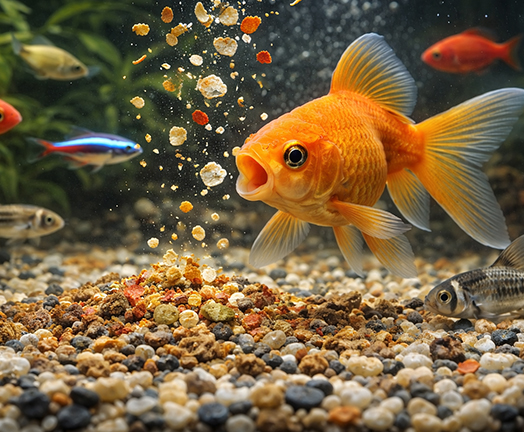
Feeding fish may seem simple, but overfeeding is a very common issue. Beginners often think more food equals healthier fish, but the opposite is true. Excess food sinks to the bottom, decomposes, and pollutes the water, leading to ammonia spikes and algae growth.
Overfeeding can also cause digestive issues in fish, making them prone to diseases and reducing their lifespan.
How to avoid it:
Feed your fish small amounts that they can consume within 2–3 minutes. Most fish only need to be fed once or twice a day. Observe their eating habits and adjust accordingly. It’s better to slightly underfeed than overfeed. Remove any uneaten food promptly and maintain a regular feeding schedule. Using high-quality fish food also ensures better nutrition without excessive waste.
4. Poor Water Maintenance
Neglecting regular tank cleaning and water changes can quickly turn a healthy aquarium into a toxic environment. Dirty water leads to high ammonia, nitrate buildup, and poor oxygen levels, which stress fish and invite diseases.
Many beginners either change water too rarely or replace too much water at once, both of which can harm fish.
How to avoid it:
Perform partial water changes (20–30%) every 1–2 weeks to maintain water quality. Use a gravel vacuum to remove debris from the substrate and clean the tank gently without disturbing beneficial bacteria. Always use dechlorinated water at the same temperature as the tank. Regular maintenance keeps the environment stable and safe for your fish.
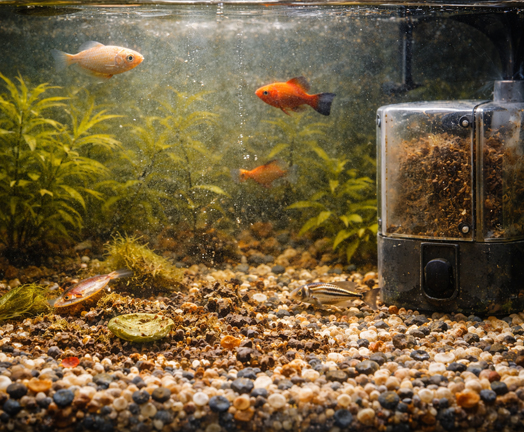
5. Choosing Incompatible Fish Species
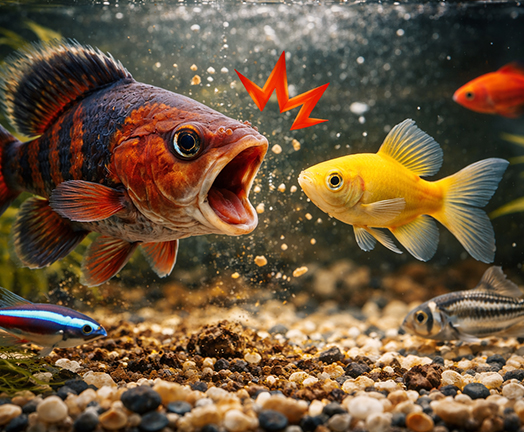
Not all fish get along. Beginners often select fish based on appearance without considering compatibility. Some species are aggressive, while others are peaceful or require specific water conditions.
Mixing incompatible fish can lead to bullying, stress, injuries, or even death. It also disrupts the harmony of your aquarium.
How to avoid it:
Research each fish species before adding them to your tank. Understand their temperament, size, and environmental needs. Group peaceful fish together and avoid mixing aggressive species unless you have experience. Also, consider schooling fish that need to be kept in groups for comfort and natural behavior.
“Ready to avoid these common mistakes and create a thriving aquarium? At MV Aquazone, we provide everything you need—from healthy, premium-quality fish to expert guidance and top-grade aquarium accessories. Whether you're just starting or upgrading your setup, our team helps you choose the right fish, equipment, and maintenance routine for long-term success. Don’t risk your fish’s health with trial and error—get it right from day one.”
Start Your Aquarium Journey Today
6. Ignoring Proper Equipment
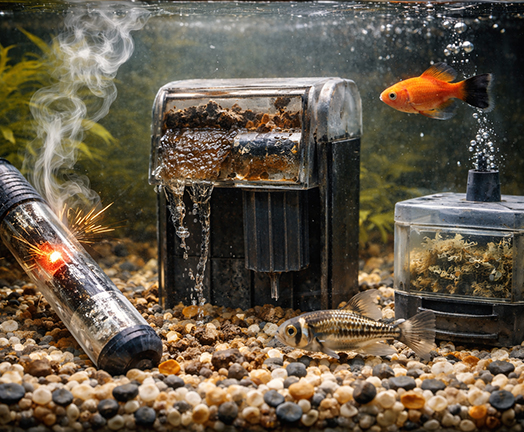
Using inadequate or incorrect equipment is another common mistake. Beginners sometimes skip essential items like filters, heaters, or proper lighting to save money, but this often leads to unstable tank conditions.
Without proper filtration, waste accumulates quickly. Without a heater (for tropical fish), temperature fluctuations can stress fish and weaken their immune system.
How to avoid it:
Invest in good-quality equipment from the start. A reliable filter, appropriate heater, proper lighting, and aeration system are essential for a healthy aquarium. Choose equipment based on your tank size and fish type. Think of it as building a safe home for your fish rather than just a decorative setup.
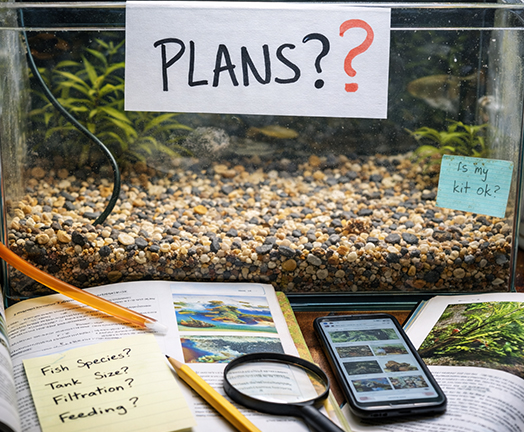
7. Lack of Research and Planning
Using inadequate or incorrect equipment is another common mistake. Beginners sometimes skip essential items like filters, heaters, or proper lighting to save money, but this often leads to unstable tank conditions.
Fishkeeping requires patience, planning, and learning about aquatic ecosystems.
How to avoid it:
Take time to research before starting your aquarium. Learn about tank setup, water chemistry, fish compatibility, and maintenance routines. Follow reliable sources, consult experts, or visit professional aquarium stores like MV Aquazone for guidance. A well-planned aquarium not only looks beautiful but also ensures the long-term health and happiness of your fish.


Leave a Reply
Your email address will not be published. Required fields are marked